
Our Land.
We are fortunate enough to be the custodians of both Mangatuna, located near Weber, 30 minutes east of Dannevirke, and Anui, located just on the outskirts of Dannevirke itself.
Bred in the hill country.
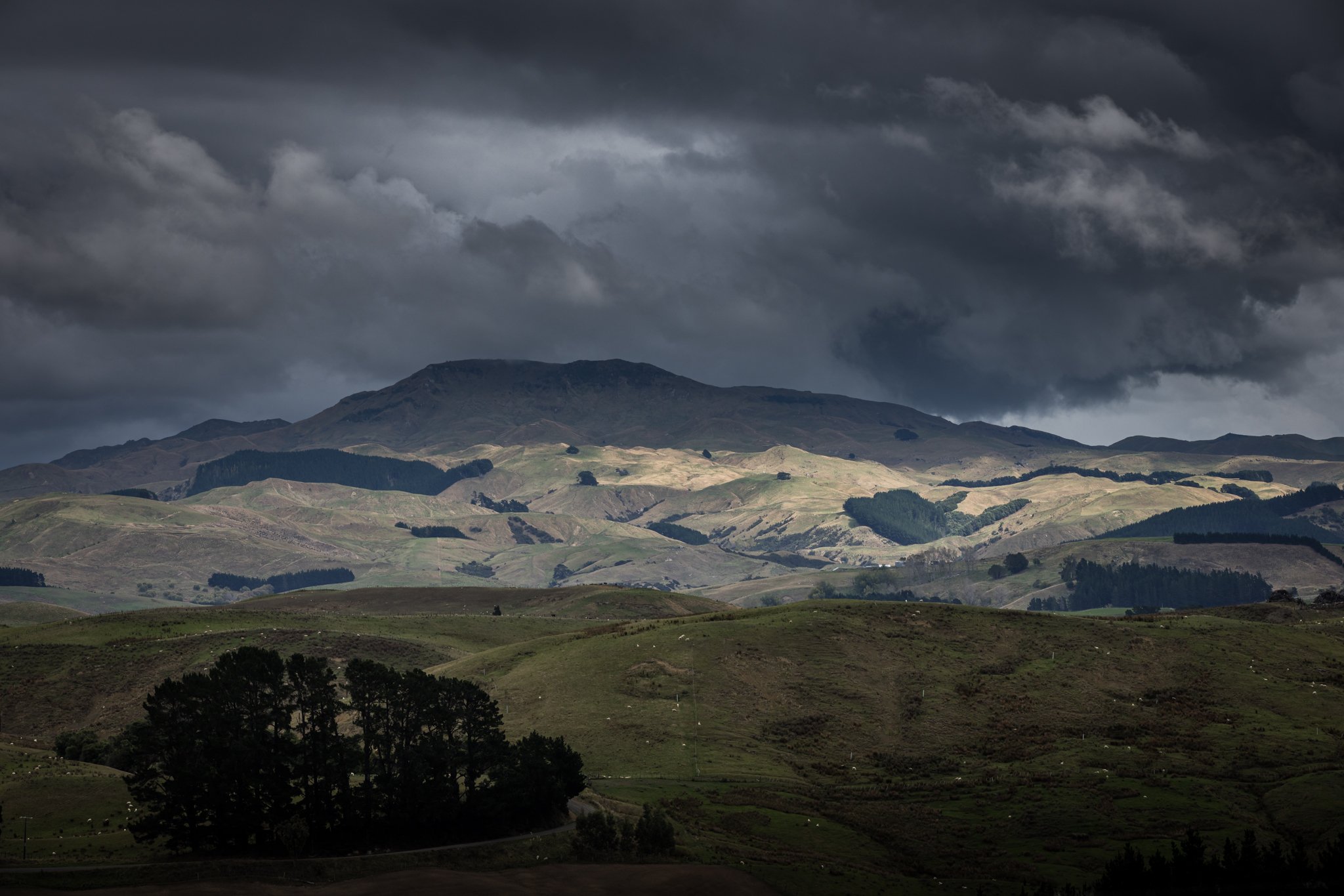
Mangatuna.
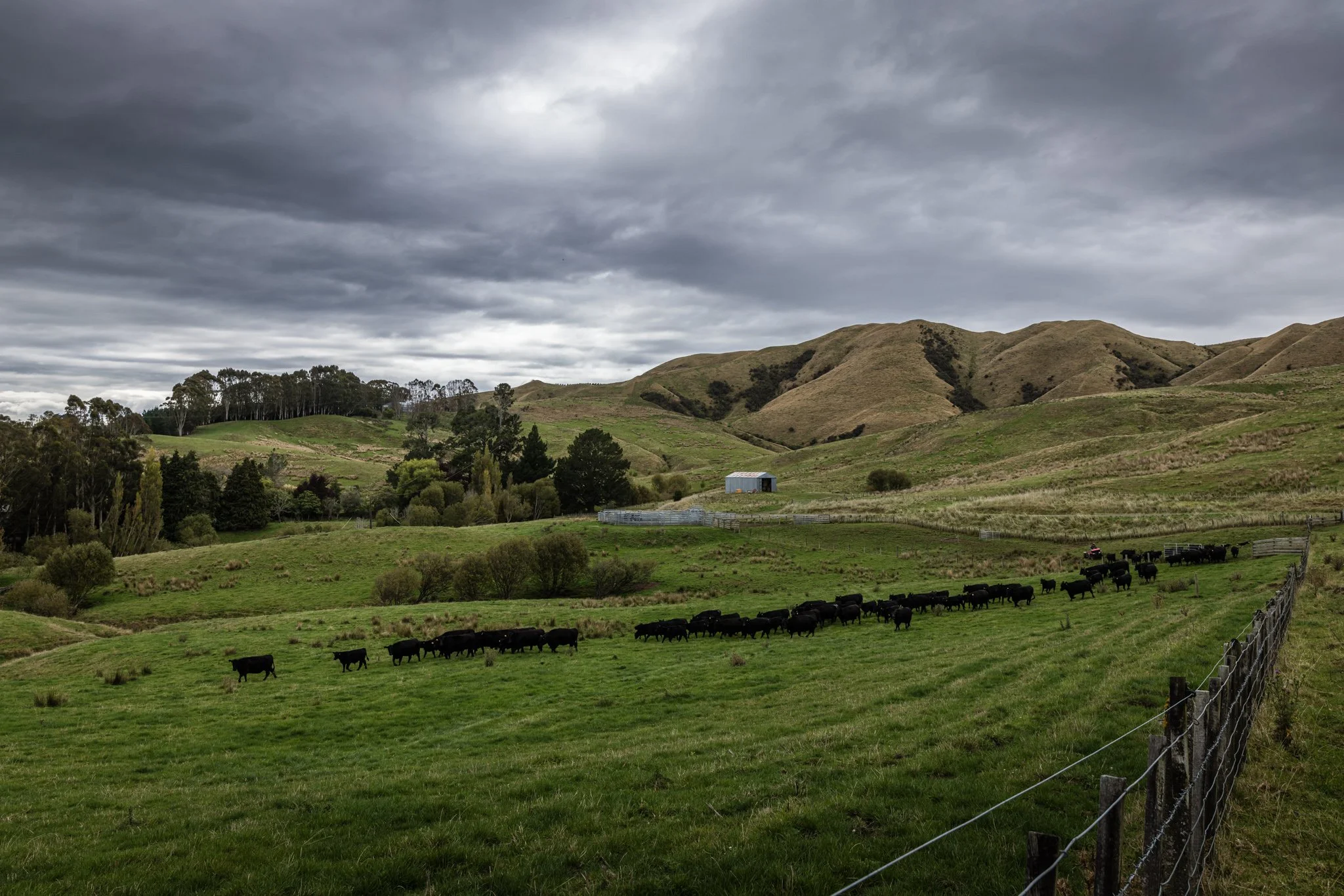
Mangatuna is a hill country block which consists of 80ha of flats to 160ha of steep argilite, hard hill country - with the balance being clay hill country. It totals 870 Ha (820ha effective) ranging from 250 MASL to 500MASL. Our 220 Stud Angus Cows are run at Mangatuna and spend large parts of the year grooming pastures for our 4,000 strong commercial Romney ewes and young stock. Average annual rainfall here is 1050mm. Despite this annual rainfall, Mangatuna is classified as summer dry, and is exposed to the prevailing westerly wind. We fatten a portion of our trade lambs and grow out all female replacement progeny at Mangatuna. With the majority of trade lambs sent to Anui at weaning to fatten.
At Mangatuna the Commercial breeding ewe operation is a priority, and we use the stud cow herd to ensure our ewe flock scan consistently between 170% to 185%, docking in 140% - 150% - year in, year out - despite dry seasons. We carry through 1,200 replacement hoggets of which we mate around 50%, and lamb at Mangatuna, scanning between 120% to 140%.
Anui.
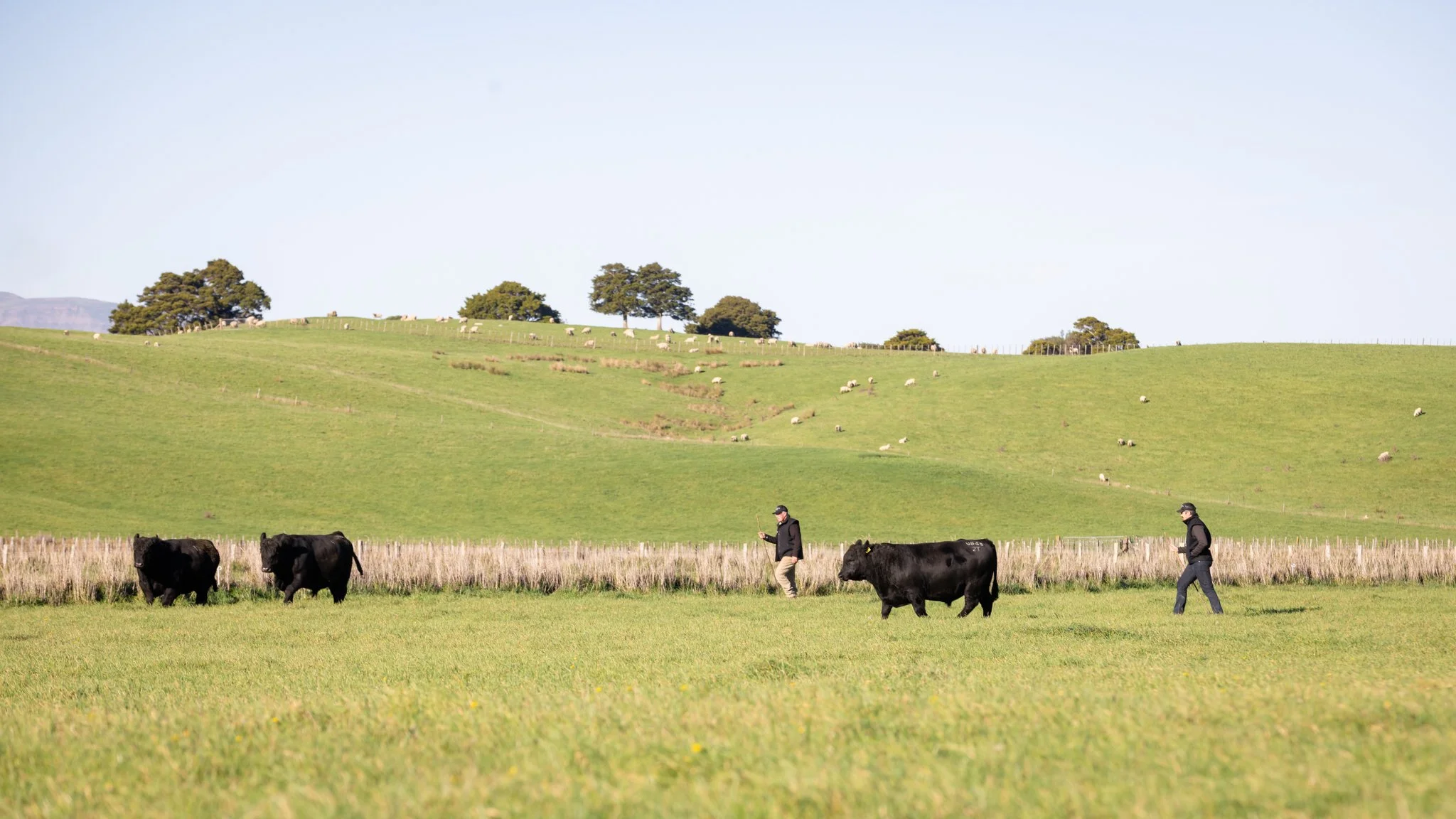
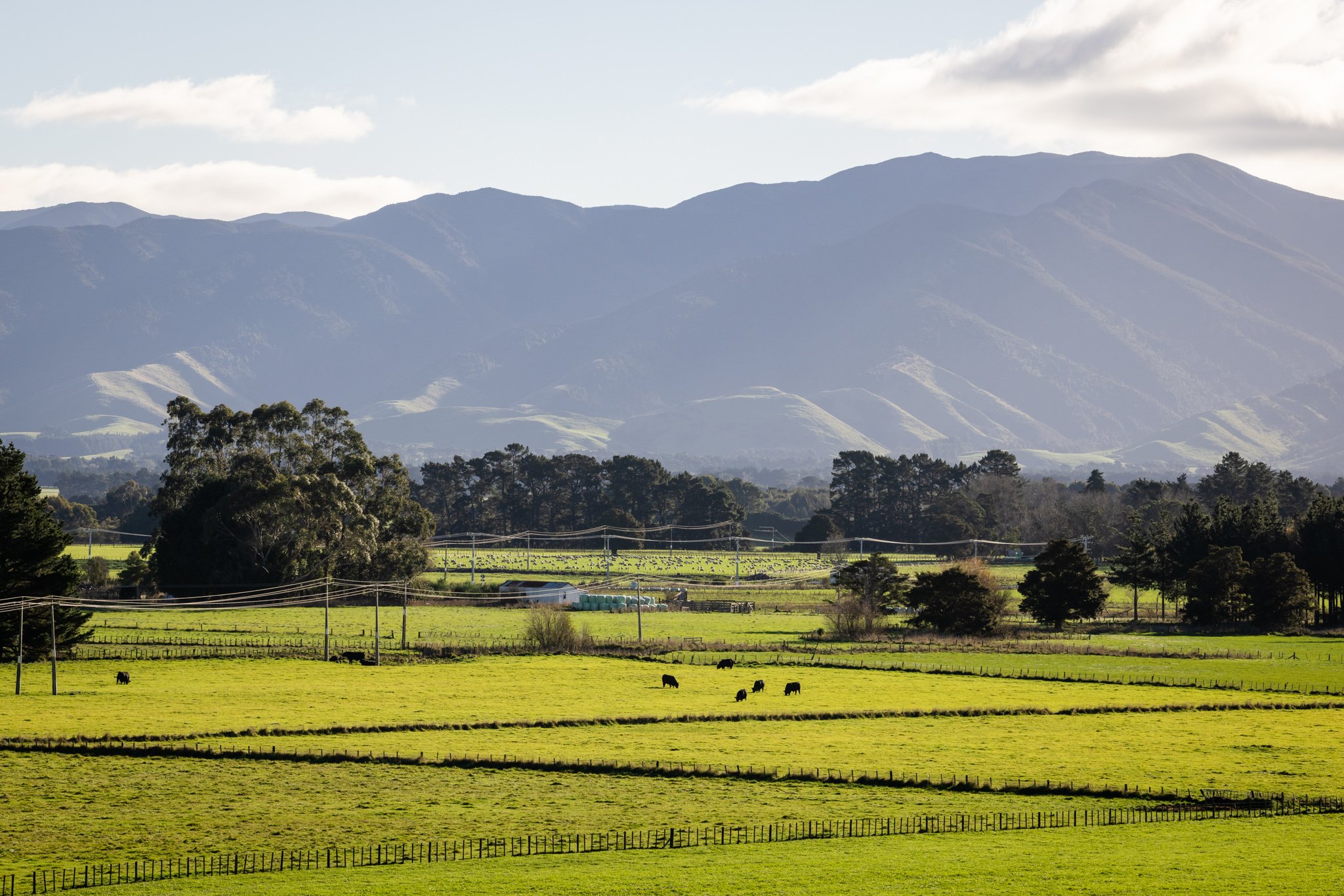
Anui is a predominantly flat land block, just south of Dannevirke, comprising of red metal flat to rolling clay hills. It totals 229 Ha (210ha effective) and is 200 MASL). Average annual rainfall here is 1,000mm. Our 250 strong Dorset Down ewe flock are run here, as well as replacement ewe hoggets - which are all mated. Anui fattens between 2,500 - 3,000 trade lambs from Mangatuna through the summer and autumn. Our Dandaleith sale bulls are sent in from Mangatuna in late Autumn to be grown out for sale.
“These farms represent over 75 years of history and breeding here in New Zealand, and can be traced back to the family Stud in Aberlour, Scotland before we immigrated. We are tied to this place, and our stock.”
— Willy Philip